
About
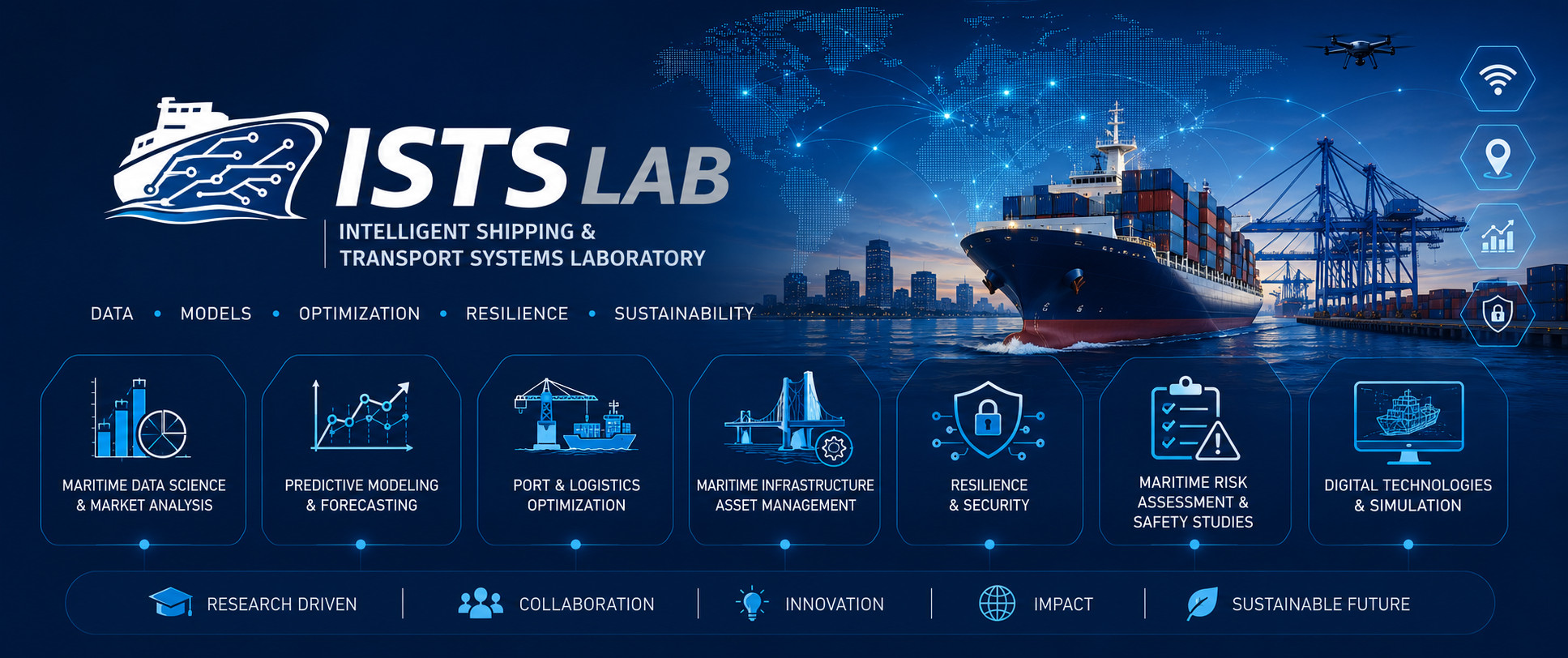
The Intelligent Shipping and Transport Systems Laboratory (ISTS Lab) is a multidisciplinary research and innovation laboratory, advancing the transformation of shipping, ports, intermodal transport and logistics systems.
Our approach integrates engineering, technological, economic and management perspectives to address complex operational, infrastructure, market, safety and resilience challenges and support the development of smarter, safer, more sustainable, efficient and resilient systems.
ISTS connects research, innovation and real-world application, working with industry, public authorities, research organisations, at national and international level to generate knowledge, develop solutions and translate research into policy and practice.
Research Areas
ISTS Lab conducts interdisciplinary research across shipping, ports, transport, logistics and maritime infrastructure, combining advanced analytical methods with digital and intelligent technologies to improve understanding, decision-making and system performance.
Our research focuses on maritime data science and market analysis; predictive modelling and forecasting; port and maritime logistics operations and optimisation; port & maritime transport policy, planning & governance; maritime infrastructure & asset management; maritime sustainability, decarbonisation and energy transition; resilience, security and critical infrastructure; maritime risk, safety and security; and digital technologies, simulation and intelligent systems.
Across these areas, ISTS develops and applies models, analytical frameworks, digital tools and decision-support solutions, with a strong emphasis on their validation and application in real operational and policy environments.
Equipment
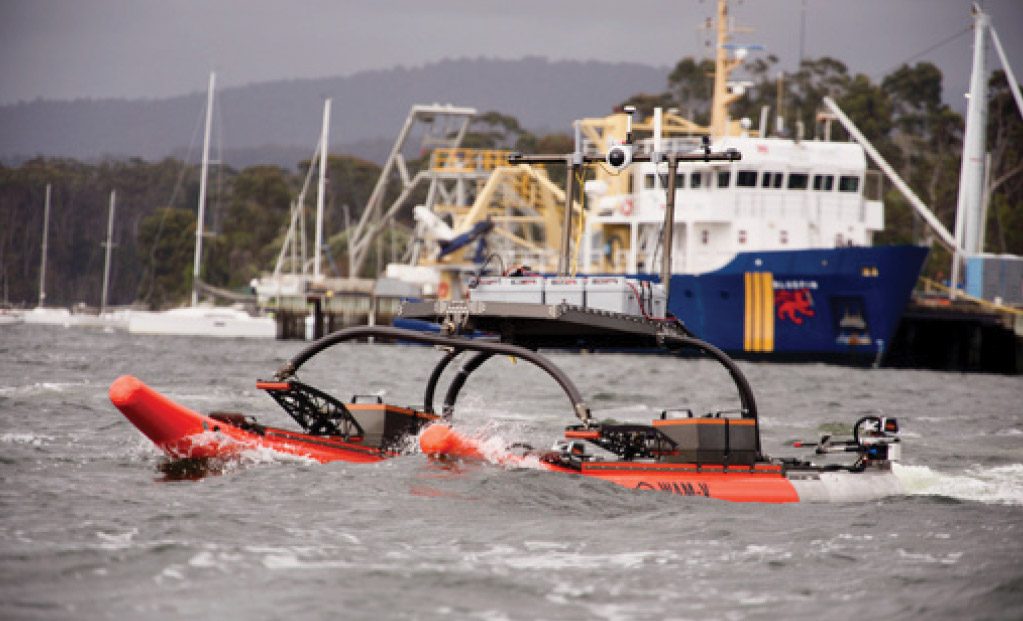
ISTS Lab hosts a distinctive portfolio of advanced research equipment and simulation infrastructure that enables experimental, field-based and data-driven research across maritime, port, transport and logistics applications.
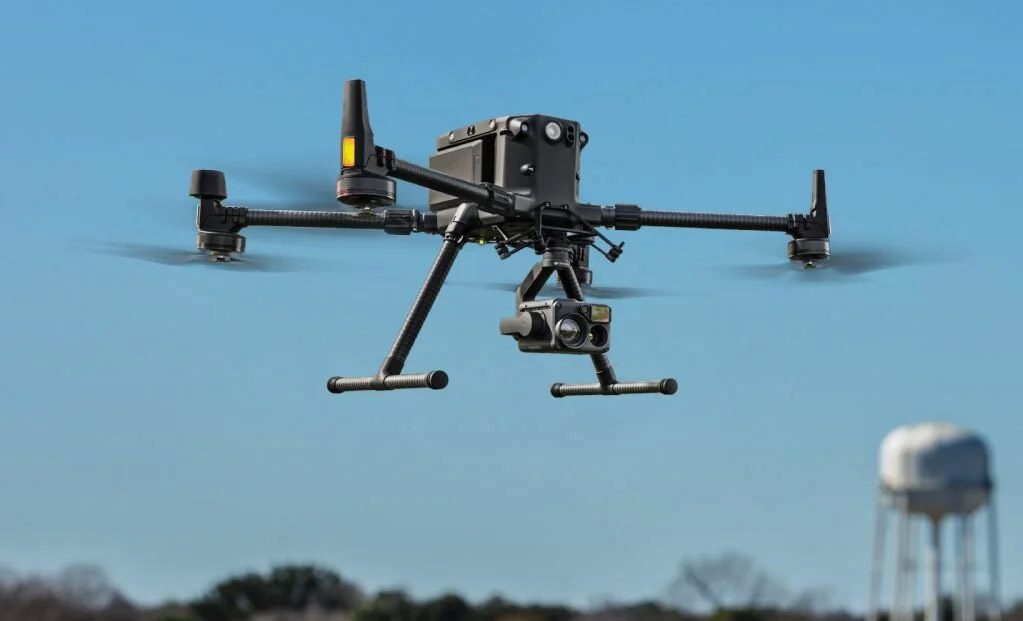
Our capabilities support autonomous and remotely operated systems, underwater and aerial inspection, sensing and environmental monitoring, hydrographic and infrastructure assessment, simulation and training, port and logistics operations, and maritime safety, security and resilience.
By combining advanced equipment with modelling, analytics and digital technologies, ISTS can move beyond theoretical research to collect real-world data, test and validate solutions in operational environments, and support the development and demonstration of new maritime and transport technologies.
Research Projects
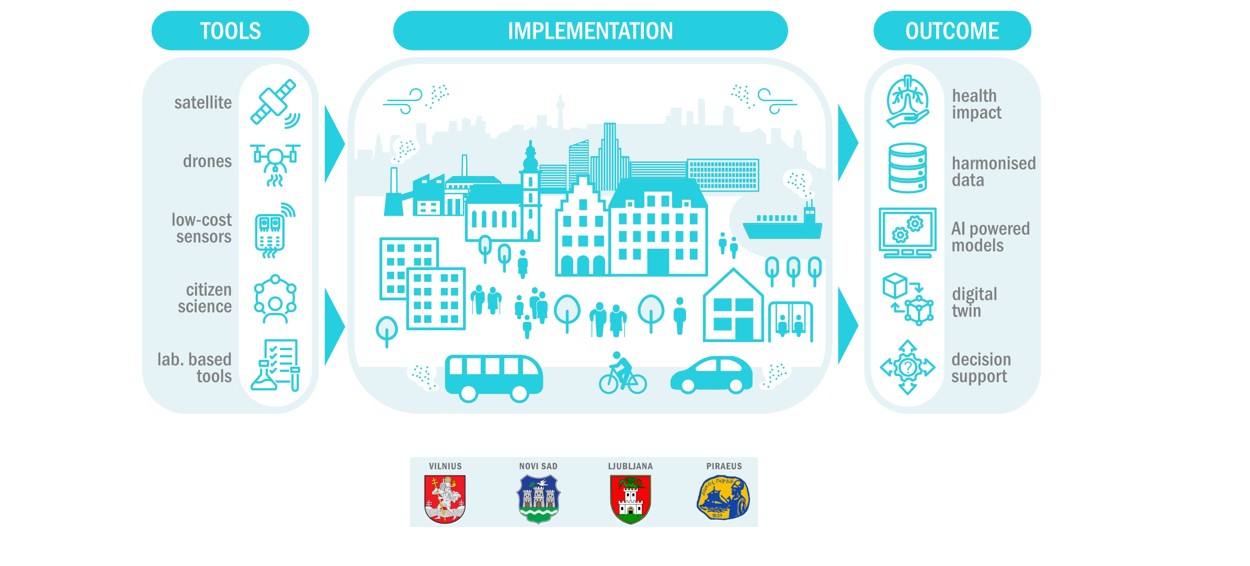
Virtual Integration for Sustainable and Innovative Observation of Urban Air Quality
Duration: September 2026 – August 2030
Project Partners: VISIONAIR brings together 20 partners from 11 European countries, spanning research organisations, universities, SMEs, municipalities and non-profit organisations. The consortium combines expertise in air quality monitoring, remote sensing, advanced chemical analysis, sensor technologies, artificial intelligence, modelling, health impact assessment, citizen science and urban decision making.
Sustainable maritime transport: Technologies for eco-friendly shipping to support coastal communities
Duration: July 2026 – June 2030
Project Partners: ELECTRIC BLUE unites industrial, research, and regulatory experts across the vessel electrification value chain. Key participants span Shipping companies (Finnlines, CSM), ship design (RMC), battery systems (Corvus), power solutions (Polarvolt, Wärtsilä), and port authorities (Naantali, Stockholm) as well as classification society (Lloyd’s Register EMEA). Research (VTT, AAU, TalTech, UPRC) contributes digital modelling, techno-economic analysis, and business models, supporting replication studies for diverse vessel types. This ensures outputs are technically robust, economically viable, and widely scalable across Europe.

Integrated approach for the implementation of the Marine Strategy Framework Directive in Greece
Duration: December 2025 – November 2033
Project Partners: Coordinated by the Hellenic Ministry of Environment and Energy, the project brings together 16 organizations from the public sector, academia, research institutions, regional authorities, NGOs, and the private sector.